Company
Strong alignment with Europe’s future space priorities
The study maps Sweden’s space industry against future European priorities and highlights Vimotek among the companies best positioned against the proposed direction of EU space investment.
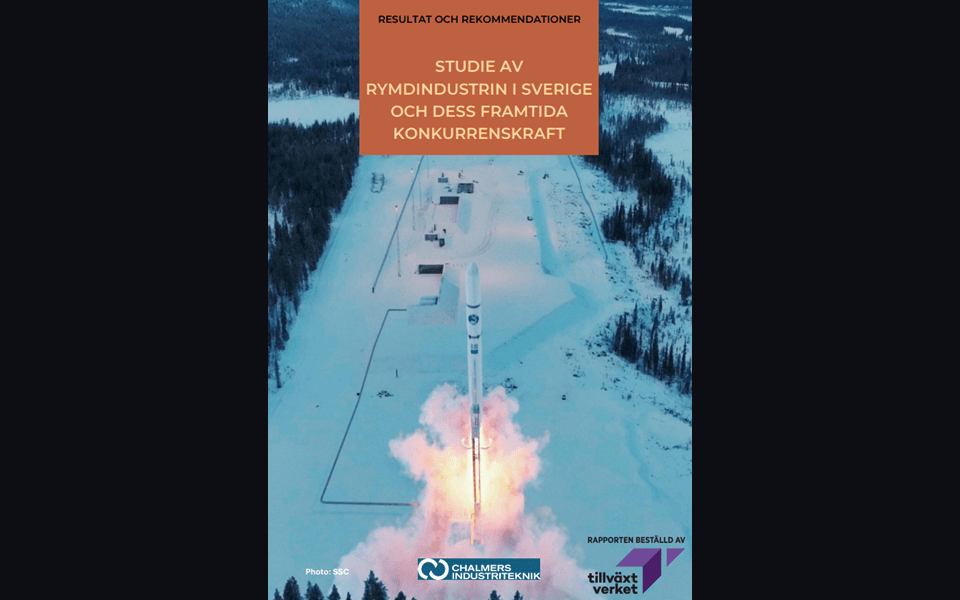
Vimotek has been identified as one of the Swedish companies with the strongest alignment to future European space-technology priorities in a new study commissioned by the Swedish Agency for Economic and Regional Growth, Tillväxtverket.
The report, Study of the Space Industry in Sweden and Its Future Competitiveness, maps the Swedish space sector and assesses how national industrial strengths correspond with the proposed space priorities of the future EU Competitiveness Fund.
In that assessment, Vimotek received the report’s “Highest” alignment rating and was one of only two Swedish companies to do so.
Mapping Sweden against future European priorities
The study was produced by Chalmers Industriteknik on behalf of Tillväxtverket and examines the conditions for future Swedish competitiveness in space.
It covers the structure of the Swedish space industry, links between research, education and industry, international and national space strategies, barriers to growth and the relationship between Swedish capabilities and proposed European investment priorities.
It also notes that the proposed EU Competitiveness Fund could create substantial opportunities for parts of Swedish industry, particularly companies with mature technology and a clear industrial role.
Alignment with emerging European needs
For Vimotek, the recognition reflects the growing importance of technologies for operating spacecraft safely and effectively around other objects in orbit.
Future European missions increasingly depend on capabilities for rendezvous, servicing, inspection, logistics, robotics, space security and the protection of critical infrastructure.
These apparently different applications converge around the same operational challenge: spacecraft encounters.
Vimotek develops mission-specific digital twins and onboard sensing and perception to help operators prepare for and handle those encounters — supporting mission assurance, precise proximity operations and greater resilience when conditions depart from plan.
The company’s alignment with the report’s future technology priorities therefore reflects more than a match with a particular product category. It points to the strategic importance of the operational problem Vimotek is addressing.
A stronger European industrial role
The Tillväxtverket study comes at a time when Europe is placing greater emphasis on industrial capacity, technological sovereignty and resilience in strategically important sectors.
Space features prominently in that discussion. The proposed Competitiveness Fund is intended to strengthen European capability in critical technologies and industrial areas, while the report specifically examines how Sweden can position its space industry to participate effectively in that development.
For Vimotek, being placed in the highest-alignment category provides independent recognition that the company’s direction corresponds closely with emerging European priorities.
It also reinforces a broader objective: building trusted European technology for increasingly complex spacecraft operations, where operators need greater confidence before and during encounters in orbit.
Related stories
Company
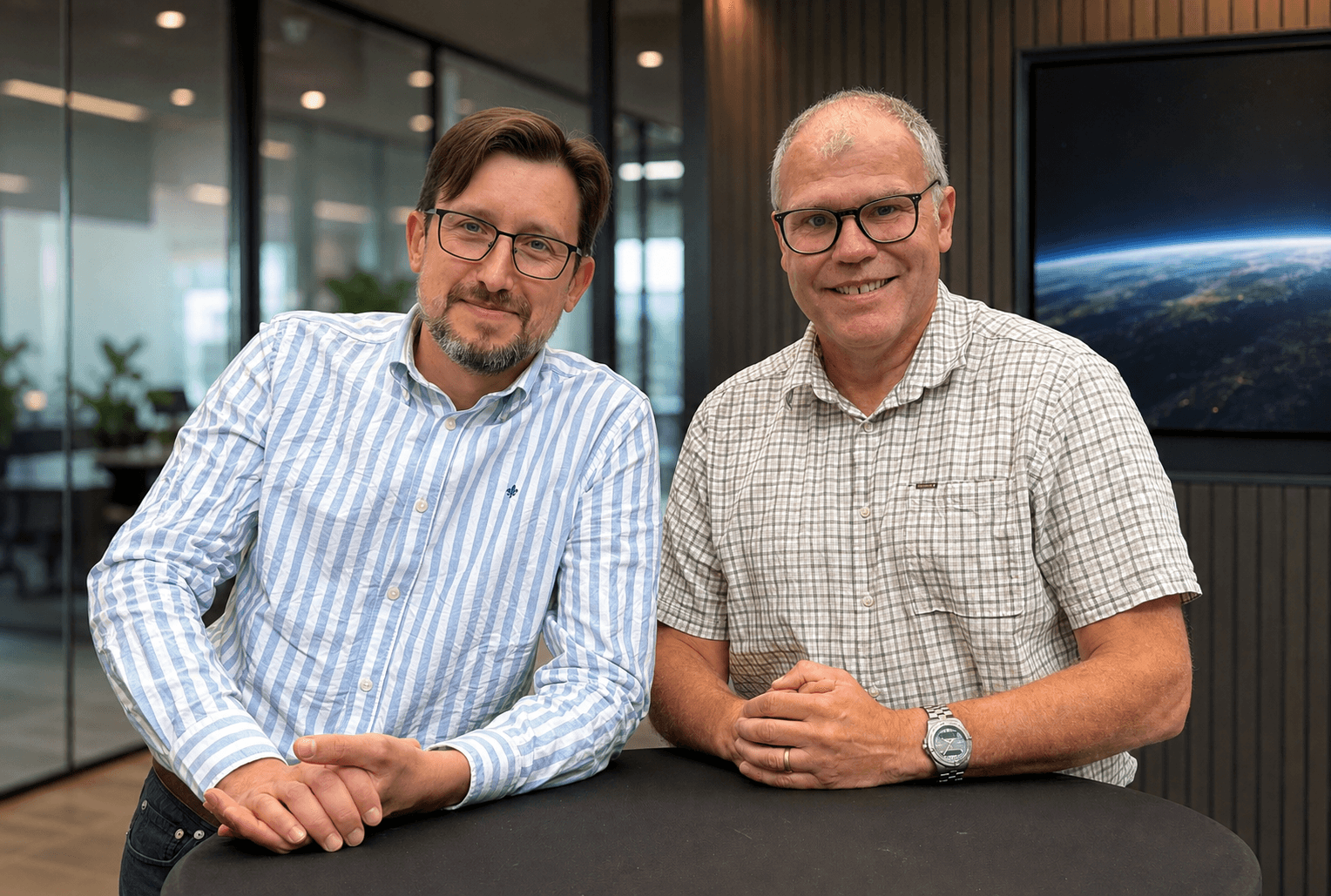
Jens Lundström appointed CEO of Vimotek
Vimotek has appointed Jens Lundström as Chief Executive Officer, strengthening the company’s leadership as it prepares for in-orbit demonstrations, commercial missions and continued growth across European civil and defence space.
Company
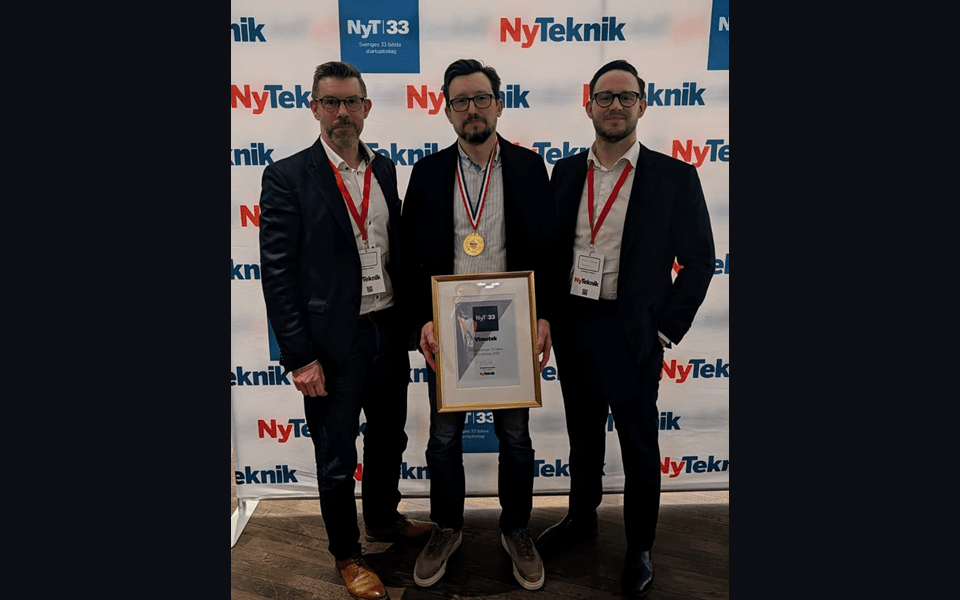
Vimotek named to Ny Teknik’s 33 List
Vimotek has been selected for Ny Teknik’s 33 List, recognising 33 of Sweden’s most promising young technology companies with proprietary innovation and international potential.
Company
Contributing to Europe’s defence-space technology agenda
Vimotek contributes to the European Defence Agency’s CapTech Space as a non-governmental expert, supporting European research and technology collaboration around future defence-space capabilities.