Programmes
Advancing proximity-operation sensing through ESA GSTP
Through ESA’s General Support Technology Programme, Vimotek is maturing critical sensing technology for future rendezvous, inspection, servicing and robotic operations in orbit.
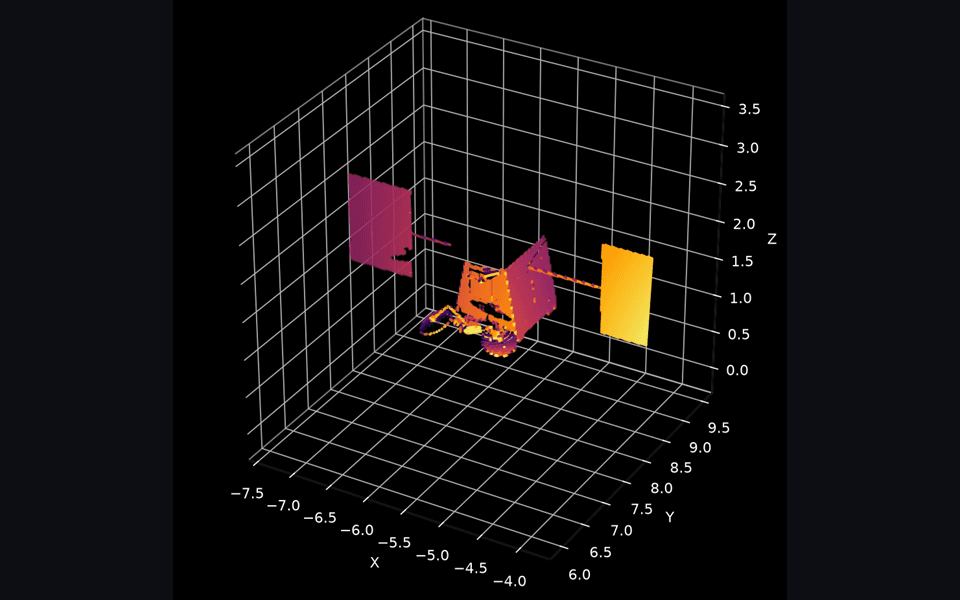
Vimotek is participating in the European Space Agency’s General Support Technology Programme (GSTP) to advance sensing technology for spacecraft proximity operations.
The activity focuses on further developing and de-risking LiDAR technology for missions where spacecraft need reliable relative awareness as they approach, inspect or interact with other objects in orbit.
For Vimotek, the work contributes to a broader objective: making planned spacecraft encounters more precise, predictable and operationally assured.
De-risking technology for demanding proximity operations
Rendezvous and proximity operations place demanding requirements on onboard sensing.
As spacecraft move from initial approach towards close proximity, operators and guidance systems need reliable information about the relative position and geometry of the other object. This becomes particularly important for missions involving inspection, servicing, docking and robotics.
Vimotek’s GSTP activity addresses a critical part of that sensing challenge through structured development, fabrication and testing designed to reduce technical risk before future mission use.
The work is deliberately focused on maturing an enabling technology before it becomes part of a larger operational system.
Supporting onboard perception
The activity forms part of Vimotek’s wider work on Navcam, onboard perception for precise proximity operations.
Navcam is intended to support target acquisition, tracking, characterisation and relative state estimation when another spacecraft becomes part of the mission.
LiDAR provides an important sensing modality within that wider capability, contributing ranging and geometric information during spacecraft encounters.
The ESA activity therefore strengthens the technical foundation for future onboard perception systems without treating sensing as an isolated component. The objective is reliable performance within the operational context of rendezvous and proximity operations.
Building on European technology development
The GSTP activity builds on Vimotek’s previous LiDAR development supported by the Swedish National Space Agency, allowing earlier work and lessons to contribute to the next stage of technology maturation.
ESA’s involvement provides a structured European framework for reducing technical risk, validating development progress and preparing critical technology for subsequent stages of maturation.
For Vimotek, that is particularly valuable in an area where operators ultimately depend on sensing performance to support safe and repeatable operations in close proximity.
Towards more predictable spacecraft encounters
In-orbit servicing, inspection, logistics, assembly and robotics are increasing the importance of spacecraft that can operate reliably around other objects.
Those missions depend on sensing and perception technologies capable of supporting increasingly precise relative operations.
Through the GSTP activity, Vimotek is advancing one of the enabling technologies behind that capability — strengthening European capacity for controlled, predictable spacecraft encounters.
Related stories
Programmes
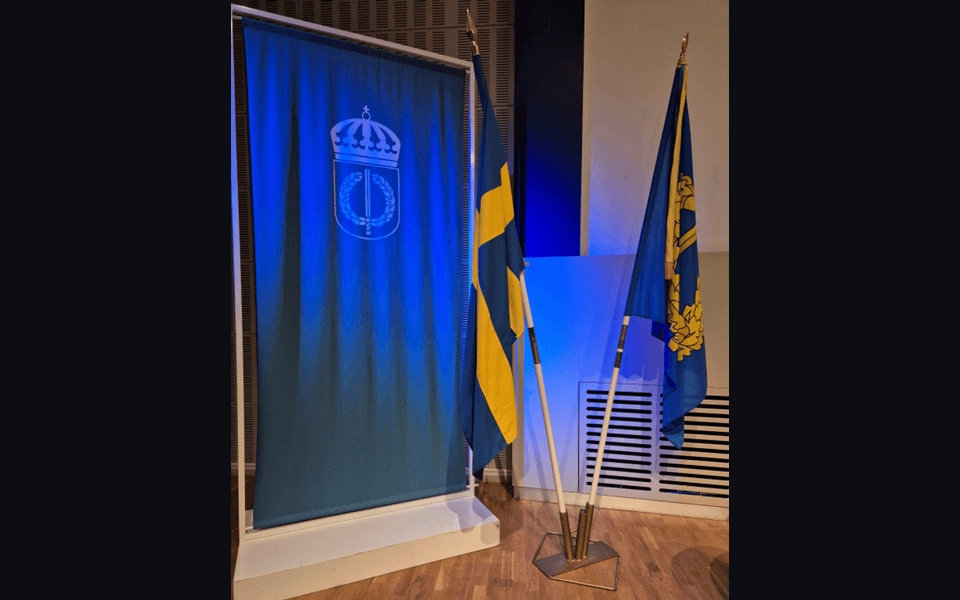
Validating spacecraft-encounter technology for defence applications
Vimotek has participated in Sweden’s Civil-Military Innovation Programme to validate how spacecraft-encounter technology can support defence-related space operations and strengthen Swedish capability.
Programmes
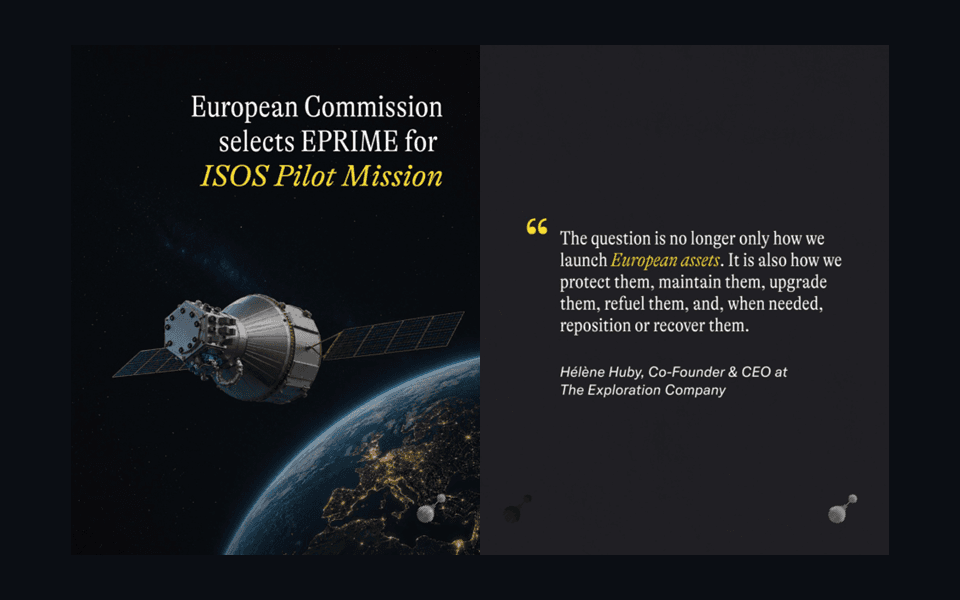
Mission-specific digital twins for Europe’s EPRIME in-orbit infrastructure
Vimotek is contributing to EPRIME, a Horizon Europe project developing a modular European platform for in-orbit logistics, servicing, refuelling and robotic experimentation.
Programmes
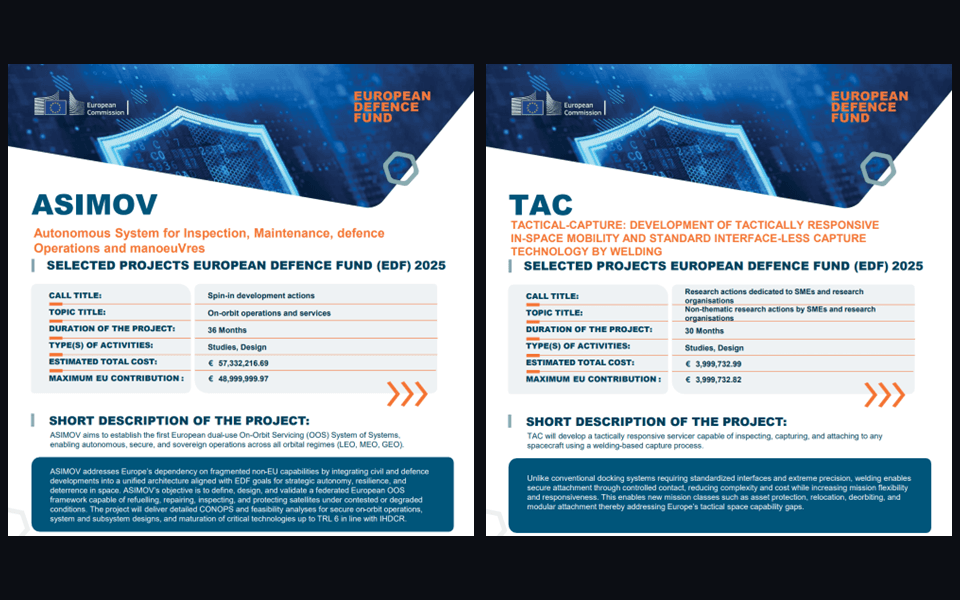
Two new European Defence Fund projects for on-orbit operations
Vimotek is participating in ASIMOV and TAC, two projects selected under the European Defence Fund 2025 programme to advance European capabilities for on-orbit servicing, inspection, capture and secure spacecraft operations.